The joy of welcoming a new litter of puppies into the world is an experience that brings immense happiness to both breeders and dog lovers alike. While every litter is special, there is something particularly fascinating about the largest breed puppy litters. These litters not only captivate us with their sheer size but also offer a glimpse into the wonders of nature’s miracles.
When it comes to large breed dogs, it should come as no surprise that they tend to have larger litters compared to their smaller counterparts. Breeds such as Great Danes, Saint Bernards, and Irish Wolfhounds are known for producing some of the largest litters in the canine world. These gentle giants often give birth to anywhere between 10 to 15 puppies per litter, sometimes even more!
One might wonder how these massive breeds can accommodate such large numbers of puppies within their bodies. The answer lies in their biology. Large breed dogs typically have larger uterine horns and wider pelvic bones, allowing them to carry more puppies comfortably. Additionally, these breeds often have higher levels of progesterone during pregnancy, which can contribute to larger litter sizes.
While large breed puppy litters are undoubtedly awe-inspiring, they also present unique challenges for both the mother dog and the breeder. The mother’s health and well-being become paramount during this time as she must provide nourishment and care for her numerous offspring. Breeders must be vigilant in ensuring that each puppy receives adequate nutrition and attention from its mother.
The process of raising a large breed puppy litter requires careful planning and preparation. Adequate space is essential for both the mother dog and her pups. A spacious whelping box or area allows room for movement while providing a safe environment for all involved. Additionally, ensuring proper nutrition through high-quality food becomes crucial in supporting healthy growth for each individual puppy.
Socialization is another vital aspect when dealing with large breed puppy litters. Early socialization helps puppies develop into well-adjusted adults, and this becomes even more crucial when dealing with larger numbers. Breeders must invest time and effort into exposing the puppies to various stimuli, such as different sounds, textures, and experiences. This early exposure helps build confidence and reduces the likelihood of behavioral issues later in life.
The fascination with large breed puppy litters extends beyond their physical size. Each puppy within the litter possesses its unique personality traits, markings, and potential. It is a joy to witness these little beings grow and develop into their own distinct individuals. From observing their first wobbly steps to witnessing them explore the world around them, every moment is filled with wonder.
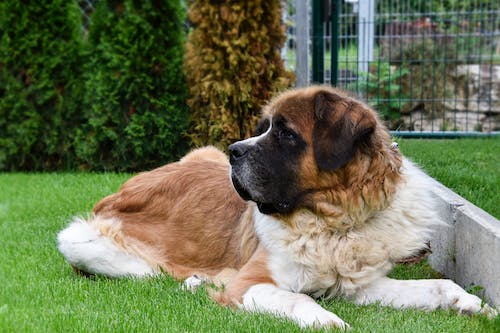
Large breed puppy litters also present an opportunity for breeders to contribute positively to the future of these magnificent breeds. By carefully selecting breeding pairs based on health, temperament, and conformation standards, breeders can work towards improving the overall quality of these breeds while ensuring their long-term well-being.
Large breed puppy litters are a testament to nature’s marvels. They embody both the beauty of life’s diversity and the challenges that come with it. These litters captivate us not only with their size but also with their potential for growth and development. As we marvel at these gentle giants’ ability to bring forth new life in abundance, we are reminded of our responsibility as stewards of these remarkable creatures.
We’ve all heard the saying, they’ll fight like cats and dogs…
Well, not really if you find the right dog. There are certain qualities a dog needs to have in order for it to get along well with a cat. The initial thing to take into consideration is the dog’s breed group. Breeds in the Terrier Group were designed to hunt smaller animals, such as a cat! Dogs in the Hound Group were bred to follow, pursue, and chase animals. Dog breeds that fall under the Herding Group were designed to do just that, herd. Cats are certainly independent animals and may not do well being led, however, herding dogs tend to get along well with them. Below is our list of the Top-4 herding dogs that we feel would make the best fit in a household that has a cat.
The Australian Shepherd is a highly intelligent and loyal dog breed that has become increasingly popular in recent years. Despite its name, the breed actually originated in the western United States in the 19th century, where it was used for herding livestock on ranches. It is believed that the breed’s ancestors were brought over by Basque shepherds who came to America from Australia.
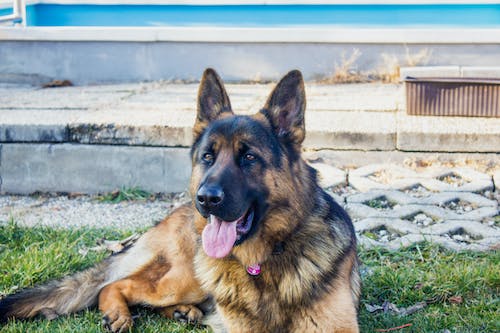
The German Shepherd is a breed of dog that has been around for over a century. Originally bred in Germany as a herding dog, they quickly became popular as police and military dogs due to their intelligence, loyalty, self-control and bravery. Today, German Shepherds are still used in these roles but have also become beloved family pets.
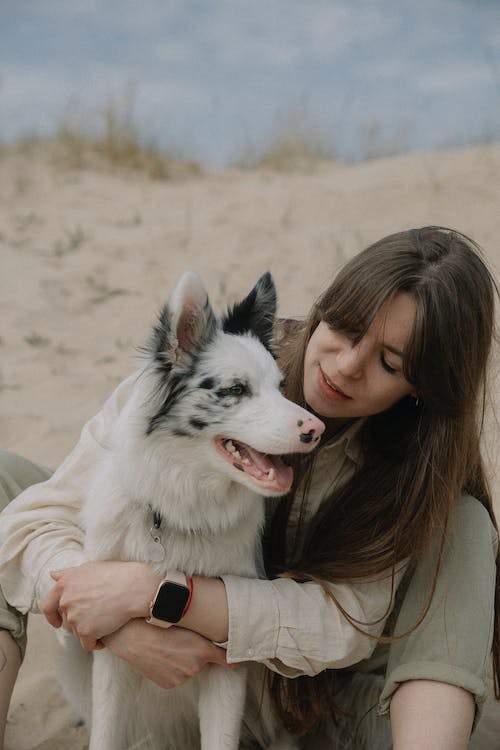
The Border Collie is a medium sized breed of herding dog. They are widely considered to be the most intelligent dog breed who are easily trained. They are descendants of landrace sheepdogs that were once found all over the British Isles, but became standardized in the Anglo-Scottish border region. They are gentle and caring dogs who grow close to family and other pets within their household.
The Shetland Sheepdog, also known as the Sheltie, is a breed of herding dog that originated in the Shetland Islands of Scotland. The original name was Shetland Collie, but this caused controversy amongst Rough Collie breeders of the time, so the breed’s name was formally changed. The Shetland Sheepdog is a working dog and has a lowkey and generally laidback personality. They enjoy the company of other animals and rarely show signs of aggression.
Regardless which breed of dog you eventually decide to go with, the initial introduction between the animals is very important. Many animals are territorial and learning to share their space is something that may take a little time.
Although there are many exciting things about getting a new puppy, one of the most exciting is picking out his or her name. Although some of the “old school” names like Spot still work, check out our list of some very unique names and the meaning behind them.
Abe
Of English origin and meaning “Father of Nations,” it was also the name of the U.S.’s 16th president.
Ace
A term for the best card in the deck, “ace,” can also mean an expert or pro.
Alfie
A classic 1966 rom-com starring Michael Caine that was remade in 2004 with Jude Law.
Ali
Iconic boxer Muhammad Ali floated like a butterfly and stung like a bee who won Olympic gold in 1960 and was the boxing heavyweight champion along the way.
Alpha
The first letter of the Greek alphabet, the name Alpha, will let all the other dogs know who’s the top dog!
Amigo
Meaning “friend” in Spanish, this is a perfect dog name for your new best friend.
Andy
Short for Andrew, which means “brave” or “manlike” in Greek.
Apollo
The name of the Greek god of sun and light also belongs to six outer space missions that successfully landed humans on the Moon.
Astro
Greek for “of the stars,” and also Houston’s Major League Baseball team.
Atlas
In Greek mythology, Atlas is the Titan who holds up the world.
Avery
This name of English origin means “ruler of the elves.”
Axel
Dating as far back as the 10th Century, the name Axel has many other spellings, including Aksel.
Bacardi
One of the all-time best-selling rums in the world.
Bailey
A creamy Irish liquor enjoyed in coffee in the morning or on the rocks in the evening.
Baloo
The easygoing bear character of “The Jungle Book.”
Bandit
Meaning a thief, this pup name could be perfect for your little pup who stole your heart!
Banjo A twangy instrument popularized by Earl Scruggs.
Eisenhower
Dwight D. Eisenhower was the 34th president of the United States.
Eli
Short for names like Elijah and Elliott, and meaning “elevated” in Hebrew.
Elvis
After “The King,” Elvis Presley, of “Jailhouse Rock” “Hound Dog” fame.
Fenway
Fenway Park is one of the most iconic stadiums in baseball and home to the legendary Boston Red Sox.
Finley Signifying a “fair-haired hero” in Scottish.
Finn
For fair-skinned male dog names, this literally means “fair or white” in Irish.
Finnegan
Also means “fair-haired” in Irish.
Flash
A good name for a sporty-looking pup.
Flex
A name with a macho vibe.
Ice
For the dog who is cooler than the other pups!
Igor
A common Russian and Polish name meaning “farm laborer.”
Jager
Short for Jgermeister, the licorice-flavored liqueur.
Jake
Short for Jacob, meaning “supplanter.”
Jager
Short for Jgermeister, the licorice-flavored liqueur.
Lincoln
The U.S. president on the penny, or a luxury automobile company.
Link
The main character in Nintendo’s “The Legend of Zelda” video game series.
Linus
Sibling of Lucy and Rerun in the iconic “Peanuts” franchise.
Marlin
A fish found in oceans throughout the globe.
Marshall
A Scottish name meaning “lover of horses.”
Martini
A cocktail that’s a favorite of James Bond.
Ninja
For a stealthy dog, or one with all black fur, like the ninja’s outfit.
Norman
Golfers can name their pup after “The Great White Shark,” former world No. 1, Greg Norman.
Noah
A biblical character known for his ark.
Porsche
The German maker of high-performance sports vehicles.
Presley
Last name of Elvis, the King of Rock’ n Roll.
Raven A bird, an Edgar Allan Poe poem, and Baltimore’s NFL team.
Rebel
For the dog who goes against the flow and shakes things up.
Red
The color of Mars, roses, bricks, and maybe your dog’s coat, too.
Teddy
Like a stuffed teddy bear, you’ll just want to snuggle with him.
Thunder A powerful name for the noise that comes after lightning.
The Pomeranian and Maltese have many great qualities. They are both friendly pups that love their family and look forward to seeing them. These dog breeds are very popular and have found their way into homes around the world thanks to their endless list of great qualities. If you are looking to learn more about for a smaller breed of dog that is kid friendly and mom approved this blog is for you.
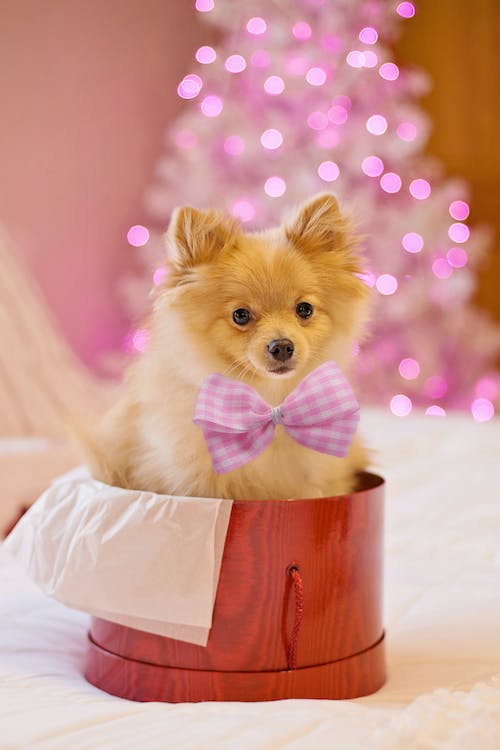
The Pomeranian is a miniaturized Spitz-type dog that originated in Pomerania, Germany in the 1800s. This breed was originally a larger dog that over time were bred to be the smaller dog they are today. “Poms,” as they are often referred to, have been warm and loving companion dogs that have won the hearts of people around the world.
Pomeranians tend to be easy to maintain and live with. Their double coat does require some extra brushing to keep looking good, but overall, they do not require excessive amounts of work. They also tend to be healthy pups because of their activity level and generally do not have a tendency toward obesity. They are normally up for learning new tricks and will gladly be the center of attention while showing these tricks off to family and friends. This breed of dog does well with other pets in the home and will quickly bond with any children. It should be noted that they are a smaller breed of dog so children do need to use a degree of caution while playing with them.
The Pomeranian is a very smart, affectionate, and playful pup. This breed has a very charming and happy personality and a demeanor to match. The Pomeranian is very approachable and is not known to be aggressive or abrasive. They love their family and show it with their snuggles and licks. This breed has been around for a very long time and has made a truly amazing family pet.
Male: 10-12 inches tall and 3-8 pounds
Female: 10 to 12 inches tall and 3-8 pounds
Physical Characteristics: Puffy and shiny coat with upright ears
Daily Exercise Requirements: About thirty minutes
Energy Level: High
Life Expectancy: Twelve to sixteen years
Drool Level: Low
Bark Level: High
For centuries, the Maltese spaniel has been the aristocrat of the K9 world. It is believed that the Maltese originated in Malta, Italy. The Maltese has been highly valued in society throughout history. One account is of a Maltese being sold in the 1500s for the equivalent of today’s $2,000. The first Maltese exhibited in the United States was white and listed as a “Maltese lion dog” at Westminster’s first dog show in 1877. In 1888 the American Kennel Club registered the Maltese.
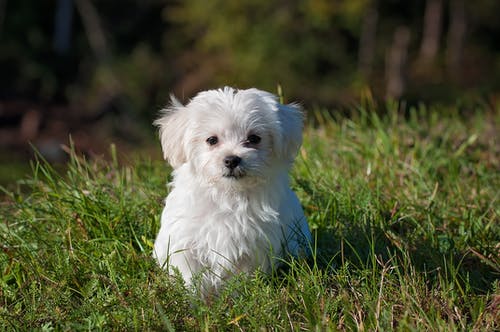
The Maltese is a very down to earth breed of dog that loves to socialize and spend time with his family. They are not overly rambunctious dogs but do have a lot of play in them. They also do not require excessive amounts of work to look good and enjoy a daily brushing and a warm bath every four or five weeks. They tend to adapt well in contemporary homes or apartments and get along well with other pets inside the house. This breed is a great companion dog and will win your heart in no time at all.
The Maltese has a very personable and caring personality. They are easy to approach and not known for aggression or being very hyper. Many families that own this breed are repeat breed owners because they have had a lot of success with a past Maltese. This breed is generally a happy and loving breed that just wants to be loved.
Male: 9-11 inches tall and 4-6 pounds
Female: 9-11 inches tall and 4-6 pounds
Physical Characteristic: Floppy ears with a smooth coat
Daily Exercise Requirements: About twenty minutes
Energy Level: Semi energetic
Life Expectancy: Twelve to fourteen years
Drool Level: Low
Bark Level: High
We all know the Poodle makes a great family pet. This breed of dog is also considered to be the smartest of dogs and has a very inquisitive and sharp mind. The Poodle is known to interact very well with people and other animals and loves one on one attention. For generations, the Poodle has been one of the most popular breeds of dog and it looks like this pup’s status will remain this way for a long time.
The Poodle is so well-liked that it has been bred with more than forty other dog breeds which have also proven to be a success. In this blog we will go over some of these breeds and talk a little bit about them.
The Goldendoodle is a cross between the Goldendoodle and the Poodle. This breed has become one of the most sought-after dogs on the planet. They make great family pets as well as therapy pets. They are pleasant and do well with children in the household.
The Labradoodle is a cross between the Labrador Retriever and the Poodle. This breed is very popular amongst those who suffer from allergies yet want a dog. This breed is smart and loyal and a joy to be around. They can also be found in a variety of colors.
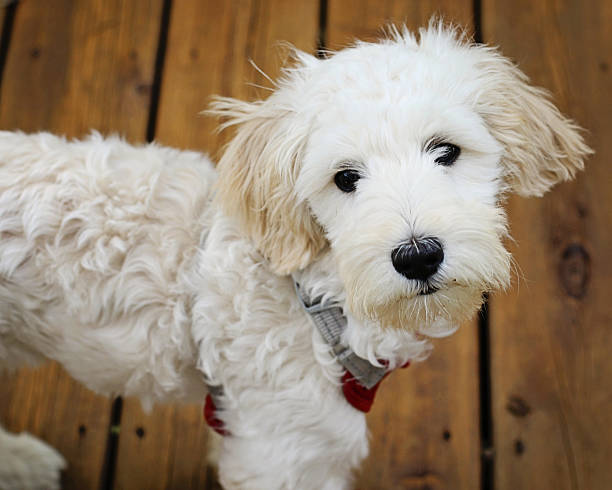
The Sheepadoodle is a mix between the Old English Sheepdog and the Poodle. Loving, loyal and friendly best describes this breed of dog. They are known to have amazing personalities and to quickly bond with their family.
The Whoodle is a cross between the Soft-Coated Wheaton Terrier and the Poodle. This breed of dog is also known as a Wheatendoodle, the Wheatenpoo, the Sweatendoodle, and the Sweatenpoo. These pups are friendly and energetic and are not known to bark a lot.
The Westiepoo is a mix between the West Highland White Terrier and the Poodle. This is a smaller breed of dog known for its fluffy coat and high levels of energy. They do well with families that have active children.
The Weimardoodle is a cross between the Weimaraner and the Poodle.This breed enjoys his family and loves to be a part of everyday family activities. They are a kind and gentle breed of dog with a very warm and approachable demeanor.
The Pomapoo is a cross between the Pomeranian and the Toy Poodle. This compact and energetic dog has the heart of a lion yet is very gentle and caring. They do quickly bond with family and love to be the center of your attention.
The Aussiedoodle is a cross between the Australian Shepherdand the Poodle. This breed of dog is very popular and known to be very smart, energetic, and loyal. They love outdoor playtime and make lovely family pets.
The Dalmadoodle is a cross between the Dalmatian and the Poodle. These are bigger dogs who are considered to be very smart. They enjoy socialization and one-on-one attention from their family.
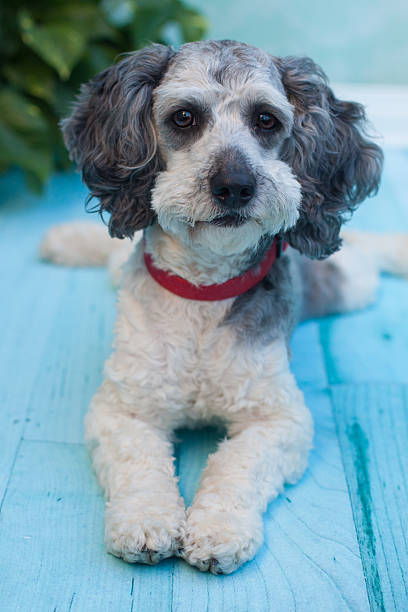
The Schnoodle is a cross between the Miniature Schnauzer and the Poodle. These dogs are known for their charming personalities and their alert watchdog mentality. They are not aggressive dogs and tend to do well with families that have children.
The Cockapoo is a cross between the Cocker Spaniel and the Miniature Poodle. These dogs are friendly, caring, social, and affectionate. They have funny personalities and tend to be happy when you are. They are considered to be the oldest of designer dog breeds with roots that date back to the 1960s. This breed is a great pet that the whole family will love.
Keeping your fur-legged friend contained on his property can be a little tricky at times, especially if he’s known for his Houdini abilities! We dog owners try everything to keep our pups safe and secure at all times, but every so often, they manage to get out and away from us. A dog on the run may think he’s just out for a joy run, but he is putting himself at risk of getting lost, injured, or even worse. If your pup is known to enjoy exploring alone, this blog may help you learn some tips and tricks for keeping him where he is supposed to be.
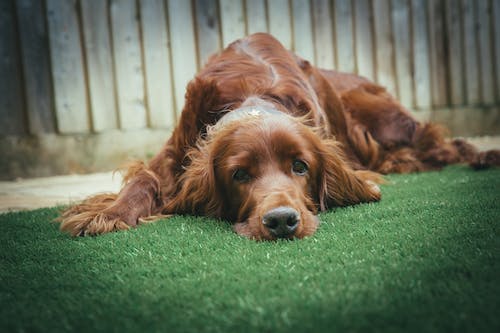
First, let’s understand why our pups try to get out, to begin with. The main reasons are:
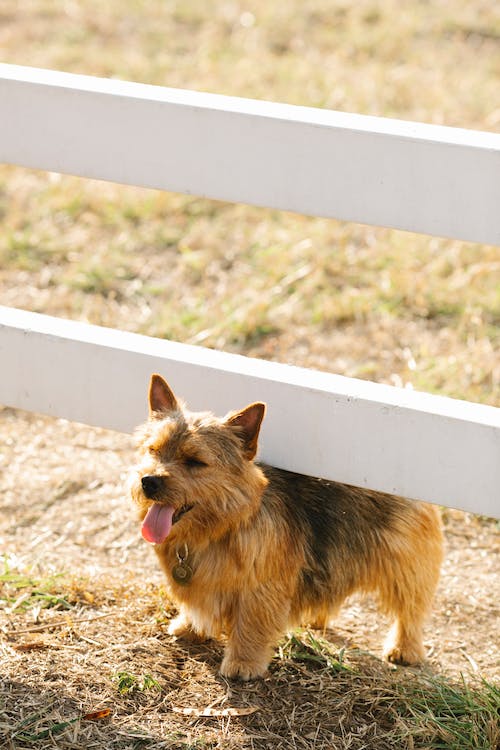
Although many of these tips will help to prevent your pup from escaping, they are not guaranteed as our pups can be creative and, at times, a bit sneaky. There are other tools that many dog owners use to keep their pups safe. Basic GPS tracking collars are a great way to quickly find your pup should he get out. It is always recommended that your dog is microchipped, which will allow for a much quicker and easier return home should he ever get away. And lastly, a good old fashion collar with an ID tag on it will allow your pup to be brought home if he is found after escaping. Taking the time to make sure your pup is safe and secure now will result in a lot of saved time and grief should he escape.
As we enter summer and the temperature rises, we need to be mindful of our pups and their health. Although our pups do enjoy playing outdoors in all months, hot summer days do take a toll on them and paying extra attention to them and their needs is crucial. We have come up with a list of things to consider which will help keep your pup feeling his best as we enter the summer.
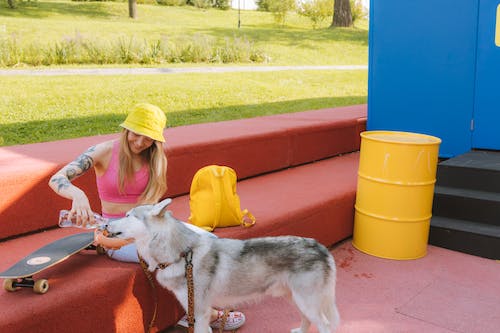
Dehydration in dogs is a common occurrence but one that can be prevented. Making sure that your pup is well hydrated is the first step in preventing this. Having fresh drinking water available is key as is making sure your pup has ample shade while outside. Shade will allow your pup to escape the sun and help him cool down. Signs of dehydration quickly arrive and it is best to prevent before taking place.
Your pup’s normal temperature is between 100 and 103F, which means anything above that means your pet’s health is in danger. Dogs do not sweat like humans and rely on panting to cool down. If your pup is outside and you observe any of the following, it may be a good time to bring him inside and allow him relax and lower his body temperature.
Although your fur-legged friend most likely does enjoy a ride in the car, leaving him inside for any amount of time without the air conditioner on can be extremely harmful. The temperature inside a parked car can reach a temperature in very little time that is enough to cause your pup to overheat and die. This act is not only very dangerous, but illegal in many states as it is a form of animal abuse. Police are commonly called to public parking lots after someone observed a dog inside a car unattended. Cracking your windows is certainly not enough to keep your dog safe and is a bad practice.
Believe it or not, dogs are able to get sunburn just like we can. This especially for dogs that are light in color and or have very short coats. Sunburn can be very painful and eventually lead to major health issues such as skin cancer. If you are planning to take your dog outside, a fresh application of sunscreen should be applied every three to four hours. Be sure to pay special attention to areas such as his belly and ears as those are sensitive spots that tend to burn easy. The sunscreen used should be a pet-friendly one as human sunscreen can be toxic for dogs. Taking the time to do this will save a lot of time and pain for your pup later.
Pets heat and cool from the bottom up. If you’re out in the sun together, try to keep your pet off of hot surfaces like cement and asphalt which are generally much hotter than grass and dirt. Hot surfaces will prevent your pup from cooling down and can cause their sensitive paws to burn which may require medical attention. It is always better to be safe than sorry!
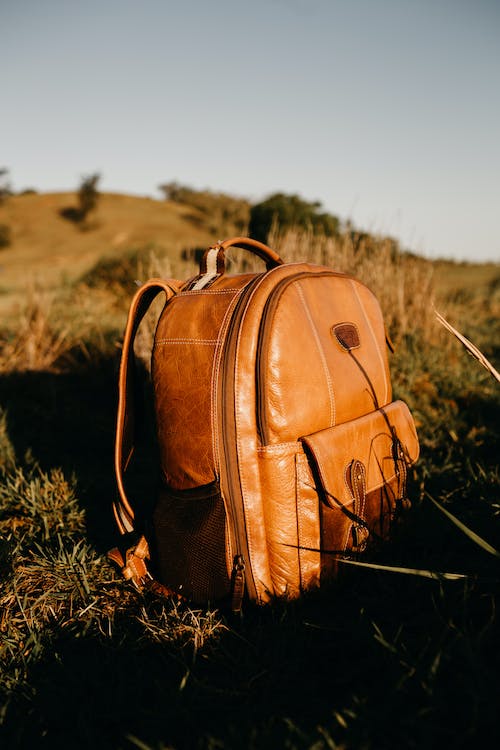
If you plan on bringing your pup out for the day have items packed up that he will be able to use. Extra bottled water, sunscreen, and rags that can be dampened to help keep him cool are just a few. Plan out your adventure ahead of time and be sure there are rest areas that have shade. This will allow for a safer and much more enjoyable adventure for you and your pup.
Every dog requires a degree of time and care in order to help keep him looking and feeling his best. Basic grooming, bathing, nail trimming, and teeth cleaning to name a few things. Some dog breeds require much more time and work ass their coats may require special care, etc. However, not every dog requires regular professional attention or an inordinate amount of brushing to keep its hair in check.
Dogs with flat-faces or with wrinkles require special facial care. Some pups also shed a lot which requires brushing every single day, sometimes twice a day.
If you are looking for what many people consider a “wash-and-wear” dog breed, check out the list of pups below that we came up with. These dogs are generally very easy to maintain and make great family pets.
First is the Basenji. These pups are fairly simple to maintain and not known to have a “dog smell” like many other breeds. They also do not bark a lot which is a big plus. A bath every few weeks and some basic care and this pup is ready to go!
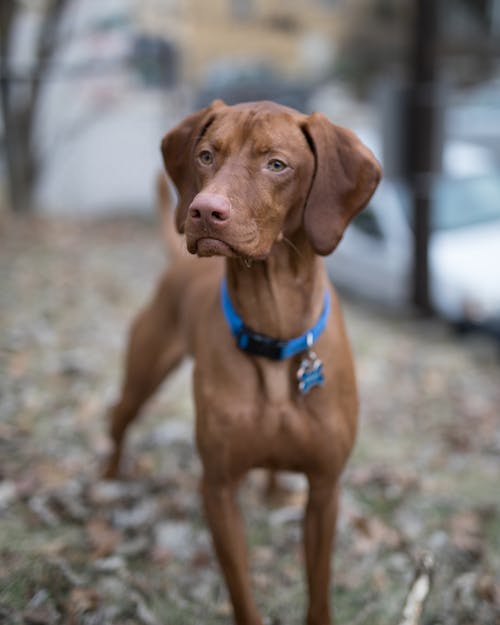
The Vizsla is a very easy to care for pooch that doesn’t take a lot of time to clean up. Routine bathing and selfcare is quick and easy. The Vizsla is a very active dog and may require an extra bath or two if playing outside a lot.
The Whippet is a clean and tidy pup that also does not take a lot of time to get ready. These pups generally carry little to no scent and require the basics. Another wash and wear pup!
The Boston is a neat and clean pup that generally doesn’t have an odor. They also are very light shedders which makes caring for them quick and easy. A bath every few weeks and some brushing and this dog is ready to go!
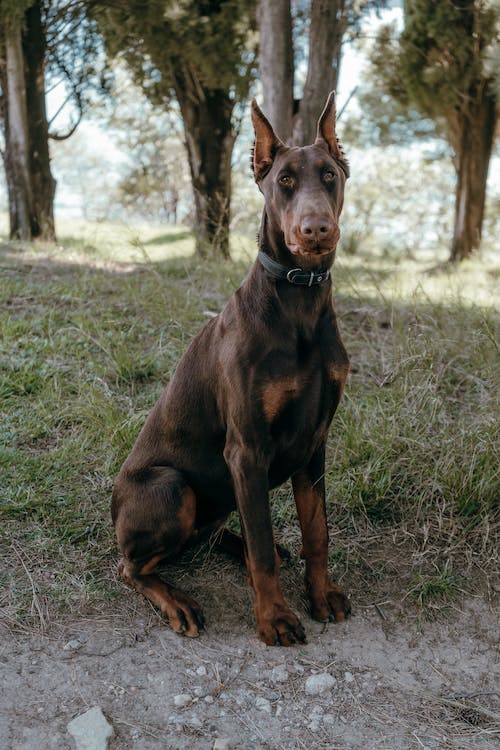
The Doberman Pinscher, also known as a Dobie, is a very low shedding dog that also in not known to have an odor. Besides basic routine grooming, this breed of dog is pretty simple. They do enjoy being outside so a thorough bath is always a good idea.
The Manchester Terrier is a smart and easy to get along with pup that is known to train with ease. They are easy to care for and besides the basics, this pup will take a lot less time to shine than many other breeds. This is another wash and wear pup that you are sure to love.
The German Shorthaired Pointer is another pup that does not take a lot of time or effort to keep looking good. This breed does tend to shed a tad more than other pups on our list, but with a little bit of brushing you can keep that in check. This is a quality pup and one the whole family will love
The Pointer is a playful pup that does enjoy outdoor activities but does not require an excessive amount of maintenance. Routine brushing and a bath every few weeks will help keep this pup looking his best.
Weimaraner The Weimaraner is not a heavy shedder and has very short, easy to care for hair. This breed does not require a lot of effort to keep looking his best and short of a bath every few weeks and some routine brushing, there’s not a lot more to do. They also make great family pets that are known for their loyalty and care.
We all know that our pups are amazing four-legged creatures that have a mind and unique personality. Our pups always tend to intrigue us and generally keep us on our toes. Although all dogs are very special, there are some that have accomplished truly amazing things and have found themselves in the world record book. We have compiled a fascinating list of amazing dog accomplishments that are considered to be world records.
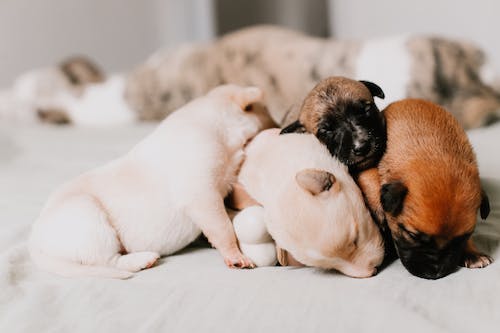
– Actual record: 24 puppies in one litter
– Record holder: Tia the dog
– Date of record: Nov. 29, 2004
– Location: United Kingdom
In 2004, a Neapolitan mastiff named Tia gave birth to an amazing 24 puppies on the same day. The litter consisted of nine females and fifteen males. All 24 puppies were born by Cesarean section.
– Actual record: 13.7 inches
– Record holder: Tigger the dog
– Date of record: Sept. 29, 2004
– Location: United States
Tigger the bloodhound snagged the record for the longest ears on a dog on Sept. 29, 2004. Tiger’s right and left ears measured am impressive 13.75 inches and 13.5 inches. In case you didn’t “hear” that correctly, the measure 13.75 inches! In 2003, Tigger was inducted into the Bloodhound “’Hall of Fame.”
– Actual record: 30.2 inches
– Record holder: Keon the dog
– Date of record: Aug. 18, 2015
– Location: Belgium
An Irish wolfhound named Keon hold the record for having the longest tail. In August of 2015, Keon’s tail measured in at an impressive 30.2 inches long, which is about two and a half feet long!
– Actual record: 7.3 inches
– Record holder: Mochi the dog
– Date of record: April 25, 2016
– Location: United States
A Saint Bernard named Mochi must have never had an issue giving licks to her owner with a tongue that measured in at more than seven inches long. This female Saint Bernard was rescued by her loving family who resided in the United States and hold the world record for the longest tongue on a dog.
– Actual record: 14 balls
– Record holder: Purin the dog
– Date of record: March 22, 2015
– Location: Japan
Play ball! Purin, a nine-year-old Beagle female, holds the record for catching most balls on her paws in one minute. This pup sits in the record books after successfully catching fourteen balls, which is an average of one catch every four seconds. This pup resides in Japan and may be looking for a major league contract!
Shortest standing dog
– Actual record: 3.8 inches tall
– Record holder: Milly
– Date of record: Feb. 21, 2013
– Location: Puerto Rico
The shortest living pup ever recorded was Milly the dog, who measured in at just 3.8 inches tall. This tiny Chihuahua was from Puerto Rico and weighed less than one ounce when she was born. It would have taken more than sixteen Milly baby puppies to even weigh a single pound.
– Actual record: 3.7 feet
– Record holder: Zeus the dog
– Date of record: Oct. 4, 2011
– Location: United States
The tallest dog to have ever lived was a Great Dane named Zeus who stretched out to an incredible 7 feet four inches. Although Great Danes are big pups, this one was extra big! This pup was from Michigan, US and was also a certified therapy dog. This gentle giant was known for his loving and gentle disposition.
There are hundreds of dog breeds in existence, all with different qualities and traits. Realistically, despite similarities, there are no two identical dogs. Each dog has its own personality and mind which means each breed of dog brings something unique to the table. In this blog we are going to “dig” into a few breeds that make great family pets despite not being talked about that often.
The Puli is a very old Hungarian dog breed that dates all the way back to the Middle Ages. Many believe that this breed is a direct ancestor of the Poodle. Around World War II this breed was nearly extinct but was revived by hobbyists. The Puli makes a great family pet and has many desirable qualities. It should be noted that their coats are high -maintenance and do require work to keep looking their best.
The Schipperke has a similar appearance to the Sheepdog and was originally bred to work on barges in Belgium canals in the 1800’s. This is a working breed of dog that has high energy levels and likes to be on the move. This breed of dog has transitioned into a very well-liked family dog who has a loving and caring personality. The Schipperke makes a great fit for families that want the heart of a big dog but in a smaller package.
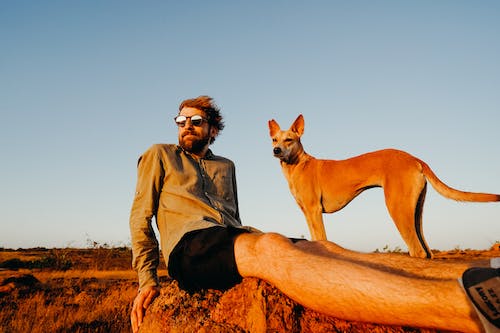
The Basenji is considered to be one of the most primitive and oldest breeds of dog in existence. This dog has been traced back to pyramids in Egypt. A great trait of this breed is that they are not known to overly bark, however, can be heard yodeling at times. One of the most unusual facts about this breed is that, like wolves and another primitive dog called a dingo, female Basenjis only come into heat once a year, unlike all other domestic breeds that come into heat two times a year. The Basenji is a loving and social dog that makes a great family pet.
Also known as the bearded dog, the Brussels Griffon is known for its long hair around its snout and for its large expressive eyes. This is a playful and active breed of dog that has a very outgoing personality. They are also considered to be hypoallergenic which is great for those of us who suffer from allergies. This breed also does well in families that have children thanks to their warm demeanors.
Many experts believe the Chinese Crested is essentially a smaller version of the African hairless dog. Chinese merchants acquired African hairless dogs on their trips to the continent and bred them to be smaller, producing the Chinese Crested. They originally were known for their abilities to hunt rats on ships but have evolved into a great family pet. This breed has a double coatthat tends to be soft, silky and straight, although some may have curly hair. Both the Hairless and Powderpuff shed very little, and generally makes a great pet for people with allergies.
The Bedlington Terrier, also known as the Bedlington, is a playful and active dog breed that is known for its loyalty. They are also very friendly dogs who quickly warm up to visitors and new people. This breed emerged in the parish of Bedlington in Northumberland, England in the early 19th century. They were originally called the Rothbury Terrier, after the namesake district on the English coast. The Bedlington Terrier is also considered to be hypoallergenic, which is a big plus for those who suffer from allergies.
All of these unique dogs have a lot to offer. They make great family pets and despite being different in many ways they all share on quality. They will all win your heart in no time at all!
Many dog owners have seen their dogs’ showing signs of jealousy. Professional dog trainers actually use jealousy as a training tool by removing unresponsive dogs during training and allow dogs to watch their handlers working with another dog. A lot of dog owners observe their dog’s display of jealousy when their owners interact with other dogs, family members or friends.
Your dog may be showing possessive behavior if they do the following:
If your dog is overly protective, it may be because that’s their natural instinct. This reaction may seem aggressive if your dog perceives you are in danger. Sometimes protective instincts can get confused with jealous or possessive behavior.
The key difference between a protective dog and a possessive dog is the relaxing and backing down part of the equation. A possessive or jealous dog doesn’t typically back down, and his behavior remains consistent.
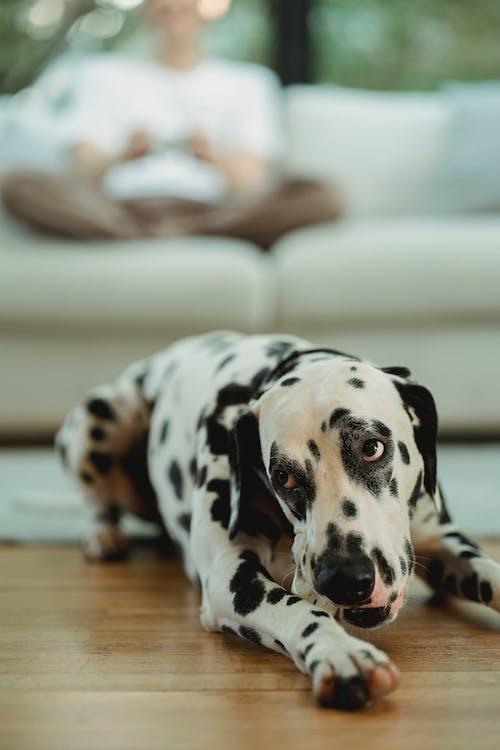
Changing Problematic Behavior
Be patient. First, you’ll need to use positive reinforcement and reward your dog when they act the way you want them to. If your dog comes in between you and another person, try ignoring them. If your dog keeps getting in the way, get up and move to another space. The ignoring and or not reacting to what they are doing will help your dog know their behavior is not working to get your attention.
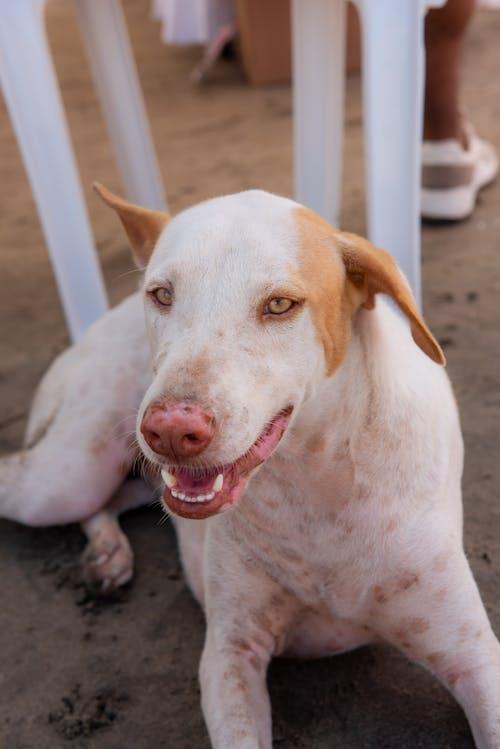
By not showing them attention while they do this may deter them from continuing the behavior.To stop your dog’s jealous behavior early in life, consider trying the following ideas:
We need to remember; our pups are living creates that have real emotions and feelings. Your pup loves you and wants your attention, similar to a child. It is important to always remain patient with your dog and train him using positive reinforcement. It is also crucial to begin training at a young age as puppies are more prone to learning while their brain is developing. Although older dogs are able to be trained, the process may take longer and be more challenging.
Homemade dog treats come with a variety of benefits. For one, you know the ingredients in them. They are also less expensive than commercially produced dog treats. They are also something fun to make! Before feeding your pup anything that he normally does not eat, it is always recommended that you check with your veterinarian first. It’s always better to be safe than sorry. Below is a list of our favorite homemade dog treats that we think your pup will enjoy!
For a quick and easy treat, consider this homemade baked chicken dog treats from Eileen Anderson. Using a basic pyramid pan, this recipe can make about 500 small treats that your dog will drool over. After being baked, you can refrigerate or freeze the treats.
Treat Ingredients:
Baking Directions:
Homemade Bacon Pyramid Pan Treats
Is your fur-legged friend a fan of bacon? If so, this simple recipe by Michelle Taylor will be a hit. With four basic ingredients, this is a great homemade treat for beginners.
Treat Ingredients:
Baking Directions:
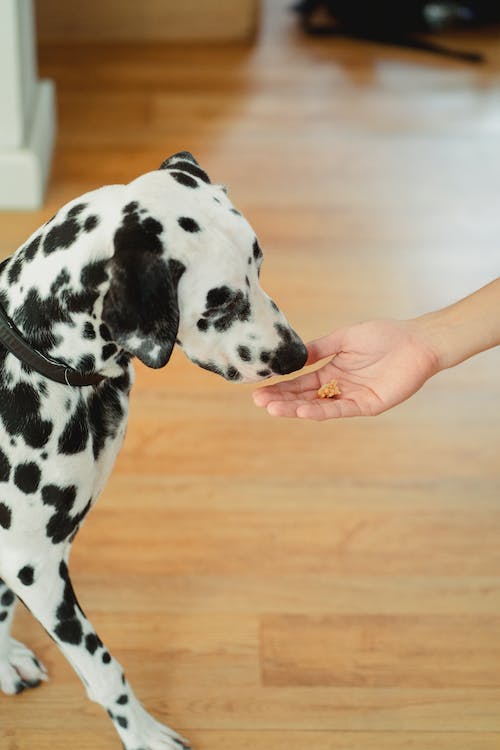
Peanut Butter Dog Treats
Almost all dogs love the creamy and sweet taste of peanut butter. If your dog is a fan of it, give these treats by Eileen Anderson a whirl!
Treat Ingredients:
Baking Directions:
Cheese and Sardine Pyramid Pan Dog Treats
Looking for a protein-packed treat for your pup? If so, this cheese and sardine dog treat is the answer.
Treat Ingredients:
* 1 can of sardines
* 2 eggs
* 150 grams of grated Parmesan cheese
* A handful of roasted vegetables
* 75 grams of tapioca flour (or plain flour)
* Water
Baking Directions:
1. Preheat oven to 320F.
2. Blend all the ingredients in a blender to make a thick batter. Add water as needed to make it thicker.
3. Smooth the mixture over the baking mat and bake for about 15 minutes or until crispy.
4. Once cooled, cut into small pieces.
Cheddar-Apple Dog Biscuits
This classic one is from Martha Stewart and is a combination of cheddar and apple.
Treat Ingredients:
Baking Directions:
We think your pup will love these tricks, which are all healthy sources of nutrition. As mentioned earlier, always check with your veterinarian before feeding your dog anything new.
